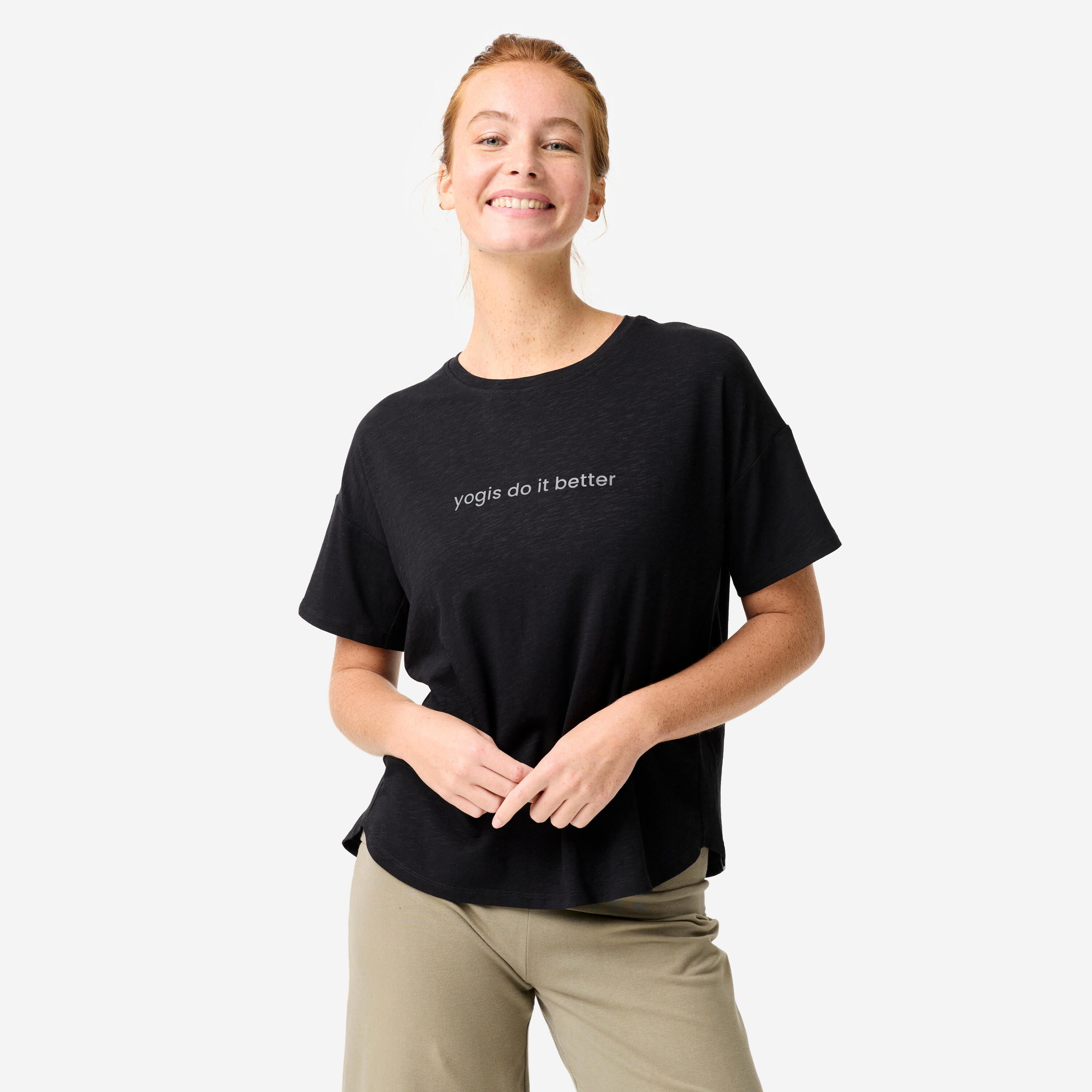
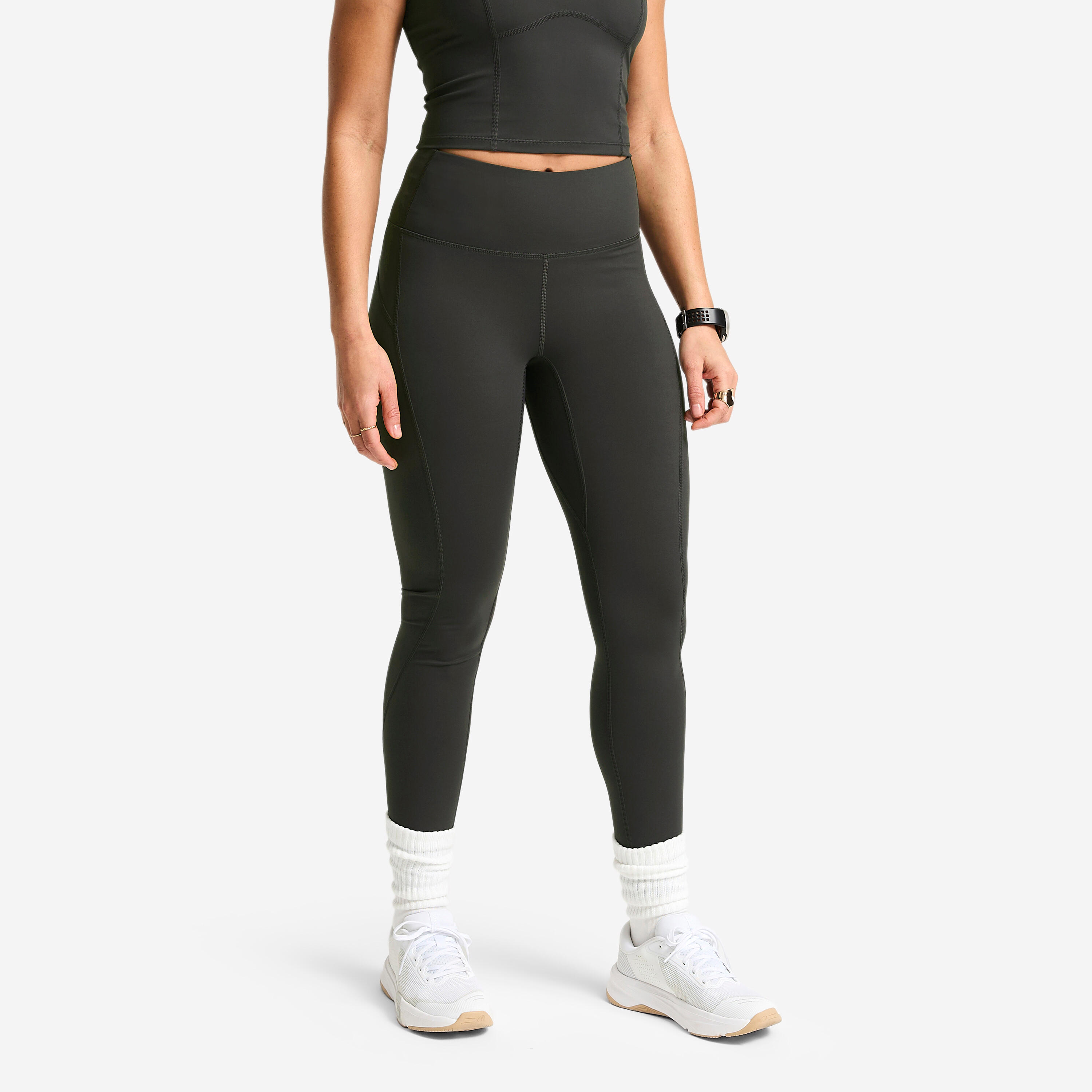
Women's Short-Sleeved Yoga T-Shirt
Add a touch of style to your sportswear with this T-shirt with a rounded base.
ID 8936455
Sold and shipped by
Combine the freshness of lyocell with the softness of cotton for extra softness.
It wicks moisture away quickly to keep you dry all day long.
Its elastane composition gives it extra flexibility.
Main fabric: 48.0% Cotton, 5.0% Elastane, 47.0% Lyocell |
This contact is responsible for product safety compliance. For help with an order or return, please contact customer service
DECATHLON
DECATHLON SE
4, boulevard de Mons 59665 VILLENEUVE D’ASCQ
| Raw material | 67% |
| Manufacturing | 1% |
| Packaging | 1% |
| Distribution | 2% |
| Use | 27% |
| End of life | 1% |
It is calculated by modelling the life cycle of the product following the recommendations of the PEF methodology (Product Environmental Footprint). This carbon footprint is an estimate. It may therefore be slightly overvalued or undervalued.Learn more
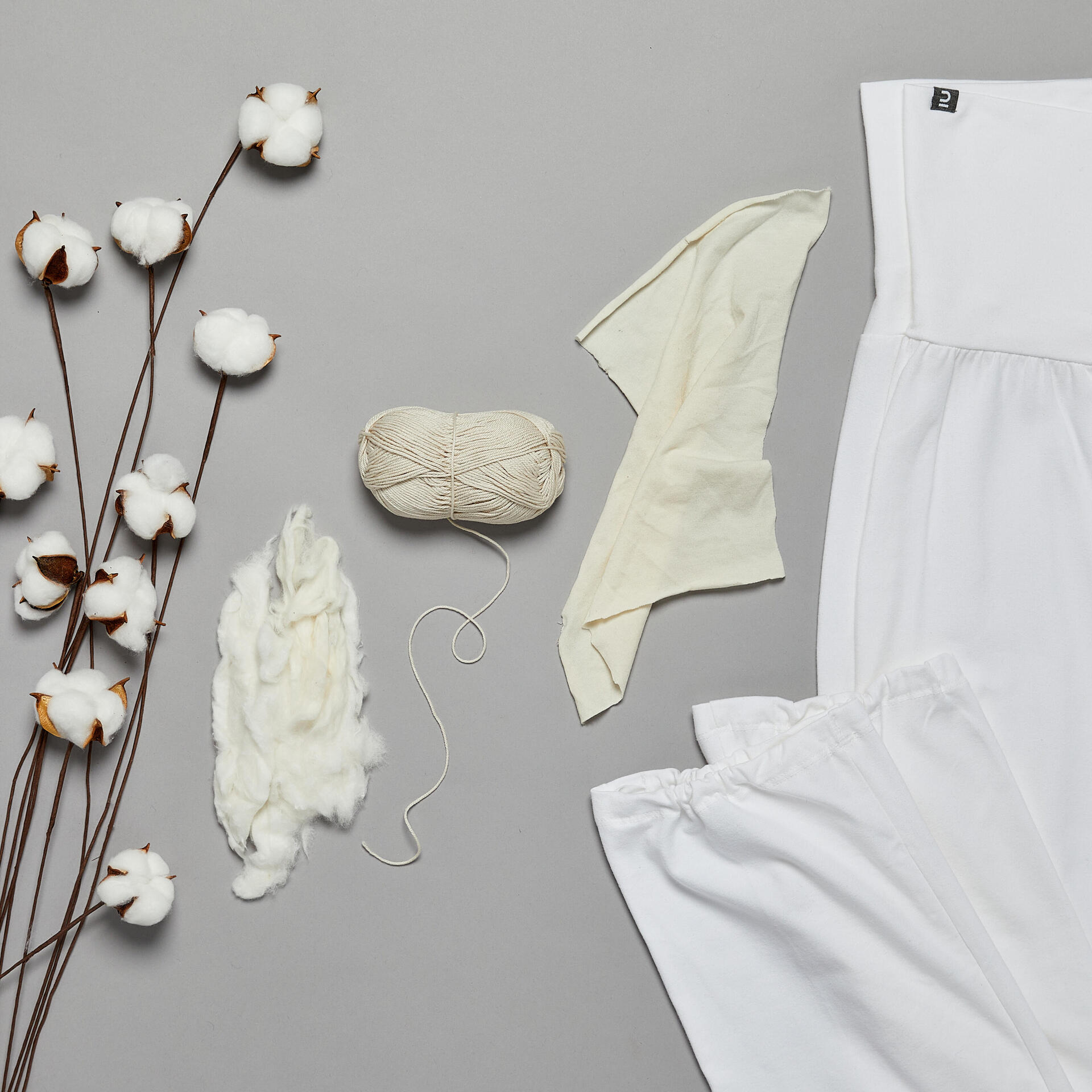
Conventional cotton farming uses a lot of water, fertilizers and pesticides. This leads to degradation of biodiversity and pollution of soil and groundwater. Organic cultivation is produced without using chemical fertilizer, pesticides and GMOs (Genetically Modified Organisms), which reduces soil and ground water pollution.

Traditionals dyeing batches need a lot of energy, water and chemical auxiliaries. This dyeing method at low temperature allows us to significantly reduce our environmental impact by using moderantly these intrants.
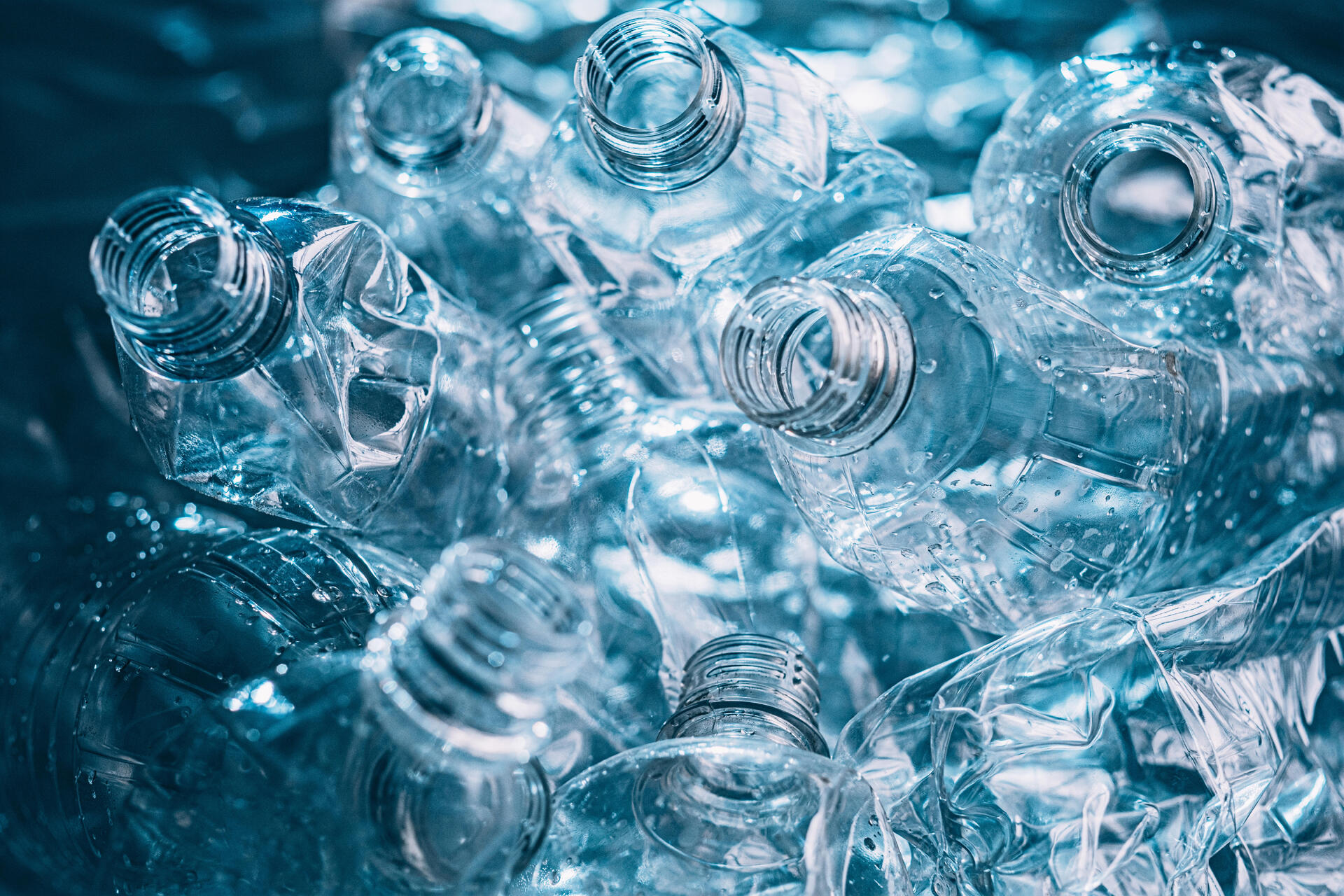
Using recycled polyester rather than conventional polyester reduces the CO₂ emissions linked to the material by at least 17%.
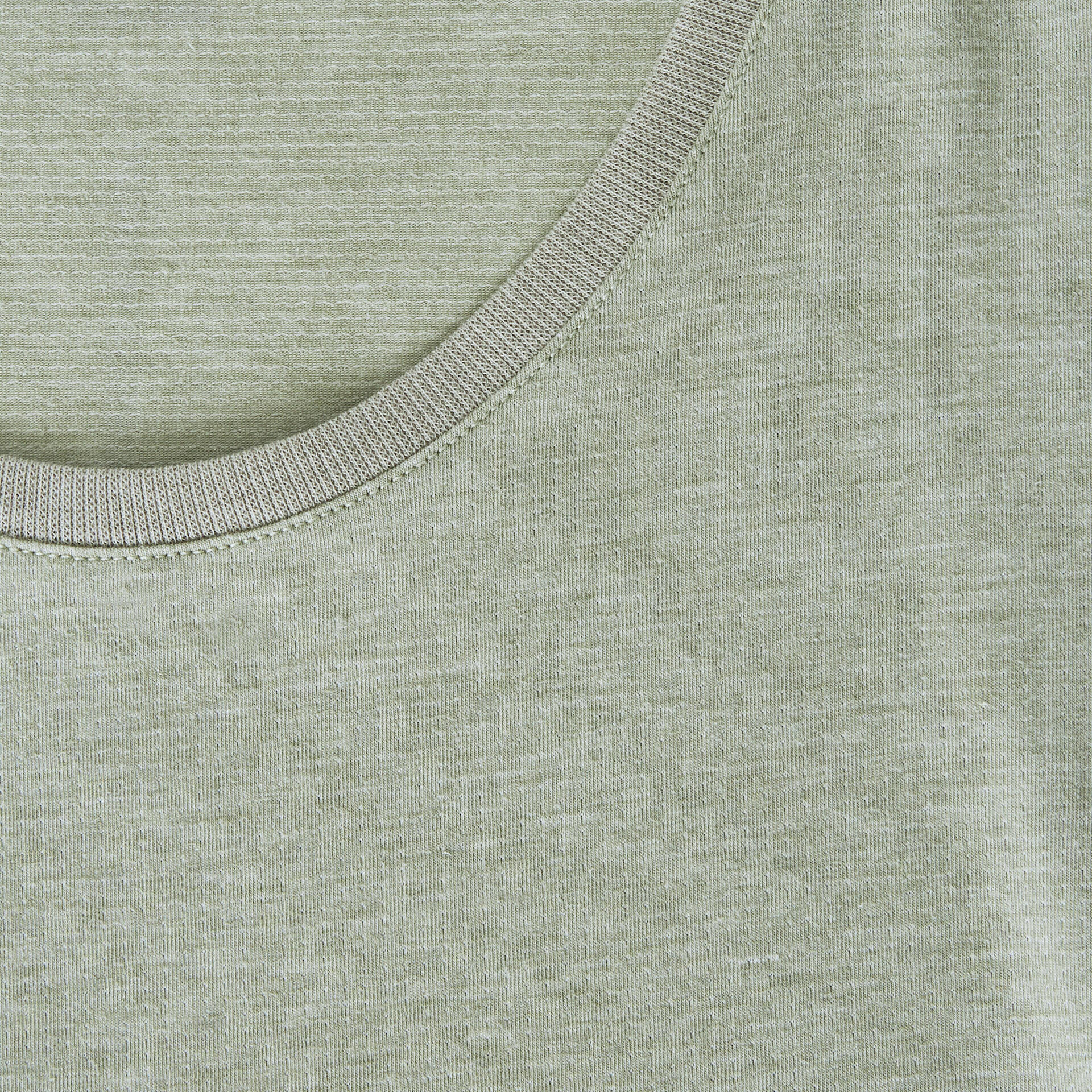
Cellulosic fibers are artificial fibre, 100% cellulosic and biodegradable, produced from wood pulp (mainly eucalyptus but also oak or birch) dissolved in a non-toxic and recyclable solvent. It is manufactured in an almost closed circuit, which is environmentally friendly.
Main fabric: 48.0% Cotton, 5.0% Elastane, 47.0% Lyocell |
This contact is responsible for product safety compliance. For help with an order or return, please contact customer service
DECATHLON
DECATHLON SE
4, boulevard de Mons 59665 VILLENEUVE D’ASCQ
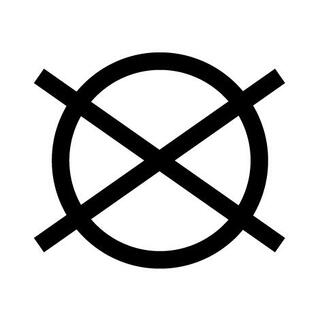
Do not dry clean.
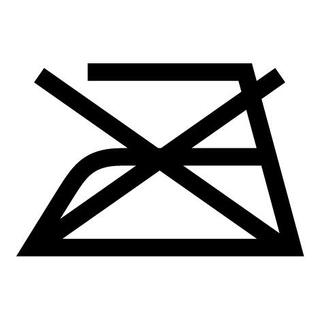
Do not iron.
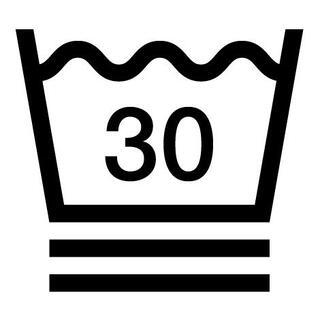
Maximum wash temperature of 30°C. Very delicate cycle.
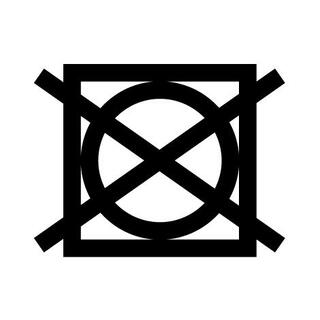
Do not tumble dry.
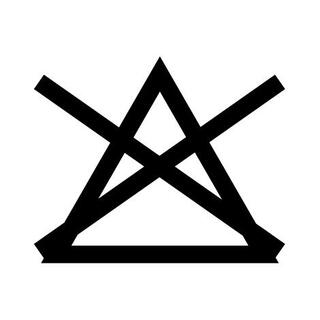
Bleaching excluded.